Mastering Digital Emotion: A Comprehensive Guide to the Heart Brush for Creative Professionals
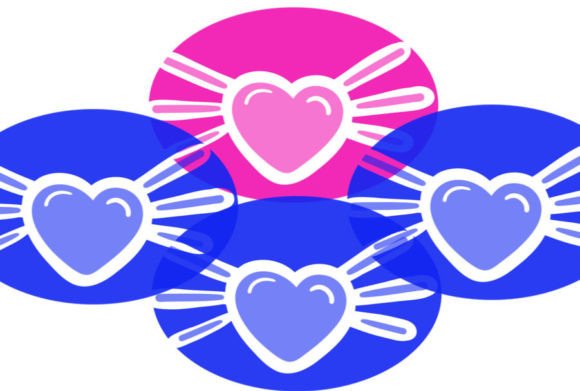
In the rapidly evolving landscape of digital art and graphic design, the tools we choose define not just our workflow, but the emotional resonance of our final output. Among the myriad of assets available to modern creators, specialized brushes serve as the bridge between technical precision and human expression. The Heart Brush stands out as a unique instrument in this toolkit, offering designers, illustrators, and hobbyists a streamlined way to incorporate symbolic imagery into their work. Unlike generic shape tools that often produce sterile, vector-like results, a dedicated brush asset allows for organic placement, varied opacity, and natural texture integration. This article explores the practical applications, technical specifications, and creative potential of integrating a single, high-quality heart-shaped brush into your digital repertoire.
Understanding the Technical Foundation
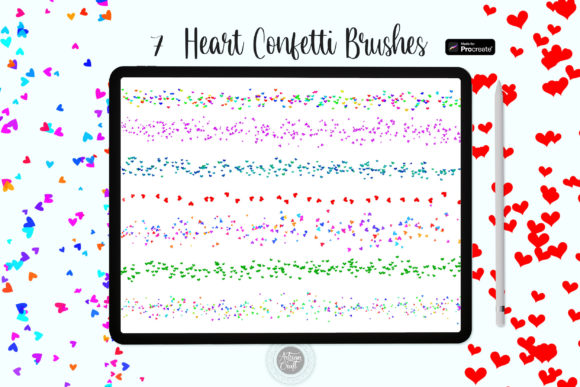
Before diving into artistic applications, it is crucial to understand what constitutes a professional-grade digital brush. When you acquire a resource labeled as a Heart Brush, you are typically receiving a compressed file, such as a ZIP archive, containing specific file formats compatible with industry-standard software like Adobe Photoshop, Procreate, or Clip Studio Paint. In this specific instance, the package includes a single, meticulously crafted brush file, available in either .brushes or .swatches format. This simplicity is often misunderstood as a limitation, but in reality, it represents a focus on quality over quantity.
The distinction between these file types is significant for workflow efficiency. A .brushes file usually contains dynamic settings, including pressure sensitivity, scattering, and angle jitter, allowing the heart shape to change subtly with each stroke. This mimics the natural variation found in hand-drawn elements. Conversely, a .swatches file provides a static stamp tool, ideal for precise, uniform placement where consistency is paramount. Understanding which format suits your current project ensures that you leverage the tool’s capabilities fully, avoiding the frustration of incompatible imports or unexpected behavioral quirks during the design process.
Enhancing Brand Identity and Marketing Materials
For business owners and marketing professionals, visual consistency is key to brand recognition. The heart symbol is universally recognized as an icon of love, care, and community. Integrating a custom Heart Brush into your branding materials can soften corporate aesthetics and create a more approachable image. Consider a healthcare provider or a nonprofit organization aiming to convey compassion. Instead of using clip-art hearts that may appear pixelated or generic, a high-resolution brush allows for the creation of unique patterns, watermarks, and background textures that feel bespoke and authentic.
Practical use cases in this sector include designing social media graphics for Valentine’s Day campaigns, creating empathetic email newsletter headers, or developing packaging designs for wellness products. The ability to quickly stamp and arrange heart shapes enables rapid prototyping of layouts. Designers can experiment with density and scale, creating subtle backgrounds that do not overpower the primary message but reinforce the emotional tone of the content. This level of customization supports E-E-A-T principles by demonstrating a thoughtful approach to visual communication that aligns with the brand’s core values.
Educational Applications and Classroom Engagement
Educators and instructional designers constantly seek ways to make learning materials more engaging and visually appealing. The Heart Brush offers a simple yet effective tool for highlighting important information, rewarding student achievements, or illustrating concepts related to biology, literature, and social studies. In early childhood education, teachers can use the brush to create customized worksheets, coloring pages, and reward charts. The organic feel of a brush stroke is often more inviting to young learners than rigid geometric shapes.
Furthermore, in higher education contexts, particularly in fields like psychology or sociology, the heart symbol can be used to map emotional connections in case studies or relationship diagrams. By using a digital brush, instructors can quickly annotate lecture slides or create dynamic visual aids during live presentations. The ease of use means that educators spend less time searching for appropriate icons and more time focusing on pedagogical content. This efficiency translates to better-prepared lessons and a more cohesive visual language across educational materials.
Creative Workflows for Illustrators and Hobbyists
For digital painters and hobbyists, the joy of creation often lies in the details. A single, well-designed Heart Brush can become a staple in an artist’s daily workflow. It serves as an excellent starting point for more complex compositions. For example, an illustrator working on a romantic novel cover might use the brush to scatter subtle heart motifs in the background, adding depth and thematic relevance without distracting from the central characters. The brush can also be used to create texture overlays, where hundreds of tiny hearts form a larger pattern or gradient.
Hobbyists engaged in digital scrapbooking or journaling will find immense value in this tool. It allows for the quick decoration of digital pages, adding a personal touch to photos and memories. The flexibility of digital brushes means that users can adjust color, size, and opacity to match the mood of each page. Whether creating a vintage-style layout with muted tones or a vibrant, modern spread, the Heart Brush adapts seamlessly. This versatility encourages experimentation, helping users develop their unique style while maintaining a consistent thematic element.
Technical Considerations and Best Practices
To maximize the utility of your Heart Brush, it is essential to consider several technical factors. First, resolution matters. Ensure that the brush is created at a high enough resolution to remain crisp when scaled up for large-format prints. Blurry edges can detract from the professionalism of the final piece. Second, understand the blending modes available in your software. Using multiply or overlay modes with the heart brush can create interesting interactions with underlying layers, allowing the texture of the paper or background image to show through the shape.
Additionally, consider the spacing settings of the brush. If you are using the brush to create a continuous line of hearts, adjusting the spacing can transform a series of individual stamps into a flowing ribbon effect. This technique is particularly useful for creating borders or framing elements in web design and print media. Experimenting with these settings transforms a simple tool into a versatile asset capable of producing diverse visual effects. Regularly updating your software and ensuring compatibility with the latest versions of your design programs will also prevent technical glitches and ensure smooth performance.
The Psychological Impact of Symbolic Design
Beyond its technical utility, the use of the heart shape carries significant psychological weight. Research in consumer behavior suggests that symbols associated with positive emotions can influence perception and decision-making. By incorporating a Heart Brush into your designs, you are tapping into this subconscious association. It signals warmth, trust, and authenticity. For creators, this means that the tool is not just about aesthetics; it is about communication. Every stroke contributes to the narrative you are building, whether it is a story of love, care, or community support.
This understanding elevates the role of the designer from a mere technician to a strategic communicator. It encourages a more mindful approach to design choices, where every element serves a purpose. The simplicity of having one dedicated brush allows for focused creativity, reducing decision fatigue and enabling faster iteration. In a world saturated with visual noise, the clear, intentional use of symbolic imagery can help your work stand out and resonate more deeply with your audience.
Future Trends in Digital Asset Utilization
As digital design continues to evolve, the demand for specialized, high-quality assets like the Heart Brush is likely to grow. Users are moving away from generic, all-in-one packs toward curated collections that offer superior quality and specific functionality. This trend reflects a broader shift towards professionalism and specialization in the creative industries. Designers are increasingly valuing tools that save time and enhance quality, rather than those that simply offer volume.
Moreover, the integration of such brushes into new platforms, such as augmented reality and virtual reality environments, opens up exciting possibilities. Imagine using a heart brush to paint in 3D space, creating immersive experiences for users. While currently primarily used in 2D design, the foundational skills and assets developed today will pave the way for future innovations. Staying informed about these trends and continuously refining your toolkit ensures that you remain competitive and relevant in the ever-changing digital landscape.
In conclusion, the Heart Brush is more than a simple digital stamp; it is a versatile tool that enhances creativity, efficiency, and emotional connection in design. Whether you are a seasoned professional or a passionate hobbyist, understanding how to effectively utilize this asset can elevate your work and streamline your workflow. By focusing on quality, context, and technical proficiency, you can unlock the full potential of this simple yet powerful resource.